
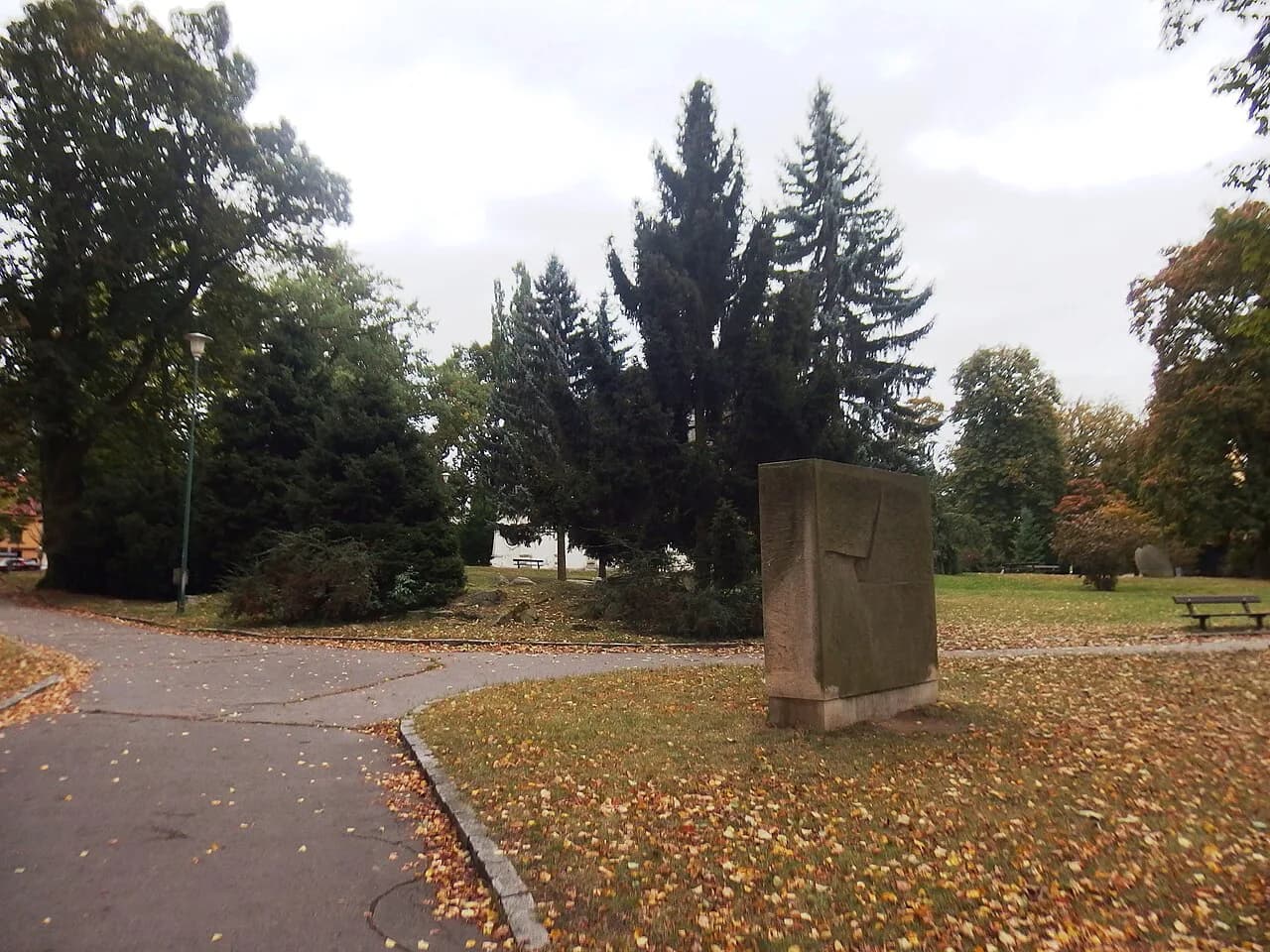
Smetanovy sady, Jihlava: What to See in the City Park

Smetanovy sady is a compact city park in the middle of Jihlava, and the reason to seek it out is the ground itself: this green space was the town's municipal cemetery from 1559 until burials stopped in the second half of the 19th century. Allow 20 to 30 minutes for a loop through it. This page covers where the park sits, what the old cemetery left behind, how to reach it on foot and what pairs well with the stop.
Treat it as a short, unhurried pause between the bigger sights rather than a destination in its own right. The park is free to walk into and has no gate or ticket desk to plan around. What follows separates what stands there today from what came before, so you know what you will and will not see.
Where Smetanovy sady sits in central Jihlava
The park lies in the built-up center of Jihlava, within easy walking distance of the historic core and its main square. Jihlava itself sits in the Vysočina Region, roughly midway between Prague and Brno, which makes the town a natural stop on a cross-country drive or train ride. Because the park is part of the street grid rather than a fenced attraction on the edge of town, you reach it on foot rather than by planning a separate trip.
The city lists Smetanovy sady as a public space with municipal contact details rather than as a ticketed site, so there is no entrance to queue for. Approach it as you would any town square or green: it is open ground you pass through on the way to somewhere else. That also means no set opening time governs your visit.
For orientation, the park sits close to the ring of streets that wraps around Jihlava's historic center, so it works best as the first or last stop of a walk through town. Pair it with the squares and churches rather than treating it as a standalone excursion. The city's own visitor material treats it as one green space among several in the center.
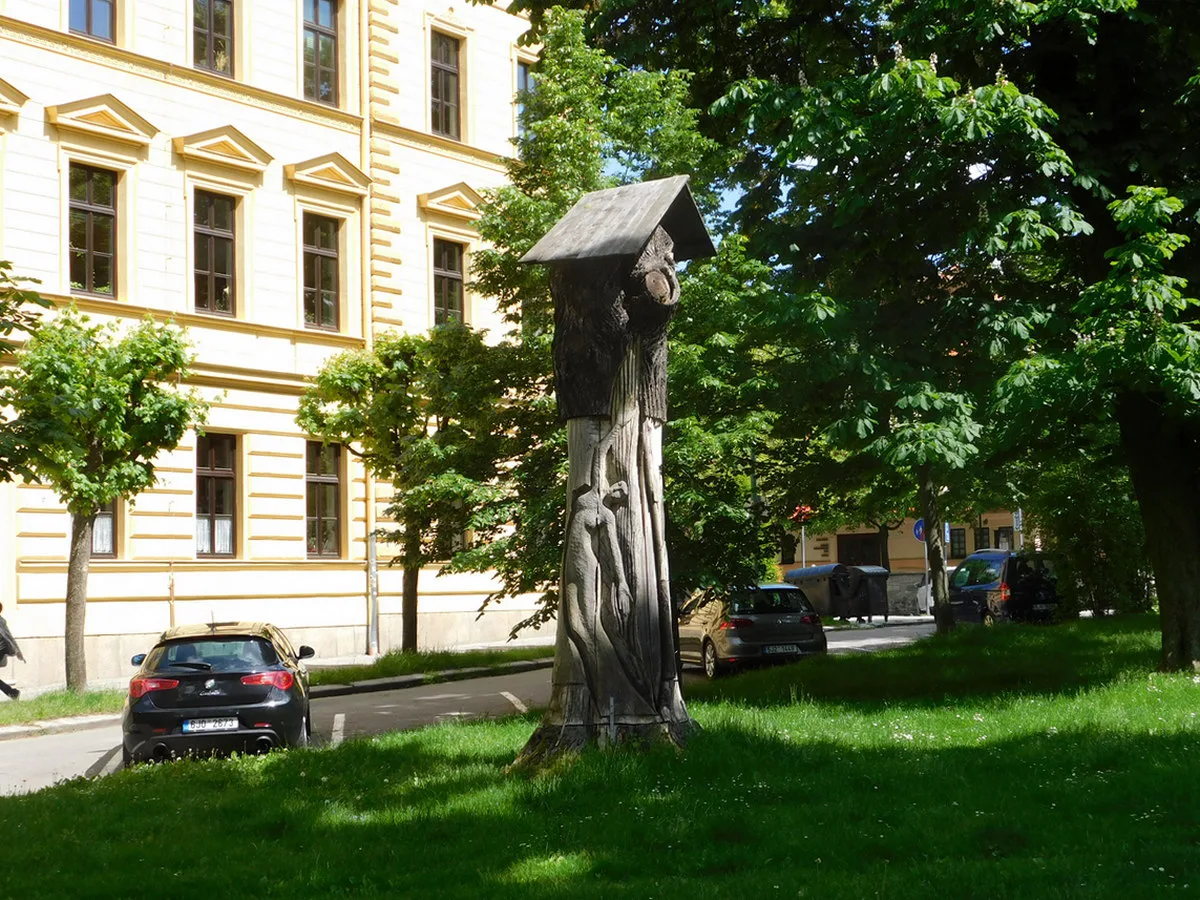

Why the park ground was a cemetery from 1559 into the 19th century
The land under Smetanovy sady served as Jihlava's municipal burial ground for roughly three hundred years, starting in 1559 and continuing until interments ended in the second half of the 19th century. When the town stopped burying its dead there, the ground was converted into a public park, a common fate for overcrowded urban cemeteries across Central Europe. Knowing that history changes how you read the space: the flat lawns and paths sit on layers of earlier graves.
The dates matter for planning because they tell you what kind of place this is: a working green space with a buried past, not a preserved cemetery you tour. There are no rows of standing headstones to walk among as you would find in a maintained graveyard. Expect a park used by people going about their day.
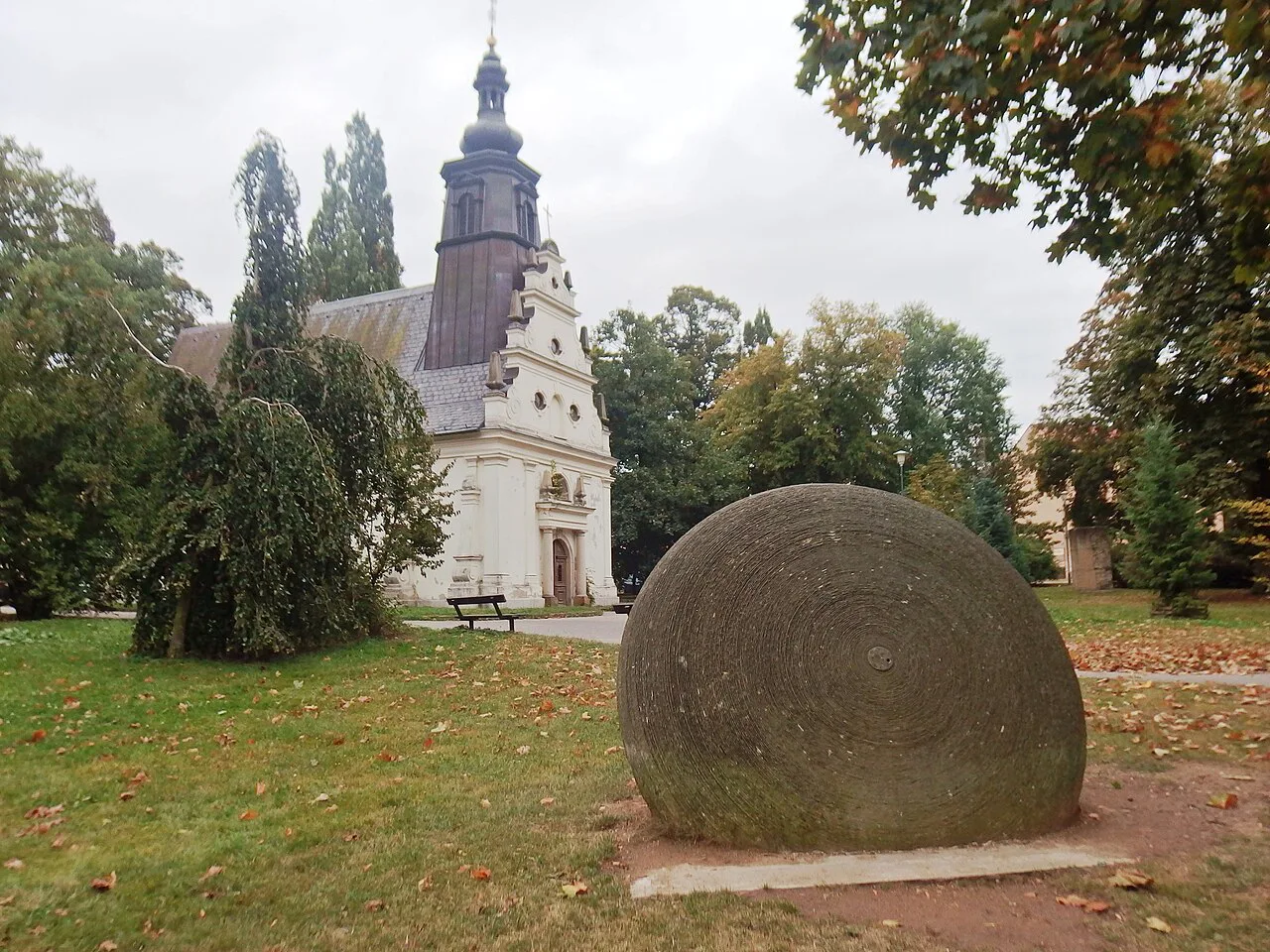

What the former cemetery left behind
The cemetery's presence resurfaces mainly through archaeology. In 2023 the city reported that construction work in Smetanovy sady uncovered the first skeletons from the former municipal burial ground, confirming that graves still lie beneath the park. The same report noted that the planned arena building would not disturb the burials, which tells you the city is managing the site rather than excavating it wholesale.
For a visitor, that means the cemetery story is something you read about and picture rather than something laid out for inspection. Do not arrive expecting an excavated grave site or an open trench with signage. What you get is a pleasant park whose interest comes from knowing what lies under the grass.
How to walk there from the main square and the train station
Jihlava's historic core is compact enough that Smetanovy sady is a short walk from the center rather than a trip across town. Coming from the main square, head away from the oldest streets toward the ring of parks and public buildings that edges the center, and you will reach the green space without needing transport. From the train station, follow the same direction into the center first, then continue to the park.
Because the park sits inside the street grid, it also works as a break between the Jihlava Underground beneath the square and a walk out to the cathedral. Use it as the connective tissue of a walking day rather than a separate outing. A town map from the information center is enough to find it; there is no gate or turnstile to locate.
What to see while you are in the park
The park's pleasure is simple: paths, lawns and the knowledge that this was once consecrated ground. Walk the whole space in a loose loop and read the ground rather than hunting for specific monuments, since no single feature defines it. Use the time to rest between the bigger sights nearby.
Plan on 20 to 30 minutes if you simply walk through, and closer to an hour if you sit and let the history settle. The park needs no advance booking and rewards a slow pass more than a quick photo stop. That makes it a natural fit for an afternoon that also includes a museum or the underground.
Nearby: the Mahler House and Zoo Jihlava
Jihlava's Gustav Mahler connection gives the park a strong companion. The Gustav Mahler House runs a permanent exhibition on the composer's Jihlava years, covering the multilingual town where Czech, German and Jewish cultures met and where Mahler took his first musical steps. The exhibition opened in September 2006 and is operated by Brána Jihlavy for the city. It pairs naturally with a walk through the park because both are about the town's older layers.
For a family or animal-focused afternoon, Jihlava Zoo sits in the Heulos forest park not far from the historic center. It holds over 200 species and a set of themed exhibits, from the tropical pavilion to an African village scene and a Himalayan section. Parking sits in front of the main entrance, which makes it the easy car-based add-on to a park visit.
If the zoo is the main draw, give it the bulk of the day and treat Smetanovy sady as a short stop before or after. The zoo's own listing notes it is a smaller, family-scale collection set in woodland, so the two stops have very different rhythms.
Practical notes on hours, tickets and access
Smetanovy sady is a public green space rather than a ticketed attraction, so there is no admission fee and no published opening hours to plan around. The city treats it as open public ground, which means you can pass through whenever you are walking the center. Confirm any event-day changes with the Jihlava information center if you are visiting during a festival.
For the Mahler House and the zoo, check current hours and ticket prices directly before you go, since those change by season. The Mahler House publishes a price list and program on its own site, and the zoo lists its own visitor information. Plan those bookings around the free park stroll rather than the other way round.
Is Smetanovy sady worth the detour?
Yes, as a short stop folded into a day in Jihlava rather than a destination on its own. Come for the strange fact that this ordinary green was the town's burial ground for three centuries, then move on to the Mahler House or the Jihlava Underground. Give it half an hour and you will have seen what there is to see.
The best version of the visit pairs the park with one museum and one walk, keeping the day unhurried. If you are traveling with children, the zoo in the Heulos forest park may be a better anchor, with the park as a brief pause. Either way, plan the day around Jihlava's center rather than a car trip.
Explore more Jihlava guides
Frequently Asked Questions
Is Smetanovy sady free to visit?
Yes. It is a public city park with no ticket desk or admission gate. You simply walk in as part of a stroll through central Jihlava.
What was Smetanovy sady before it became a park?
It was Jihlava's municipal cemetery from 1559 until burials ended in the second half of the 19th century. Construction work in 2023 uncovered the first skeletons from that burial ground.
How long should I spend in Smetanovy sady?
Plan 20 to 30 minutes for a walk through. Add time if you want to pause and reflect on the cemetery history, and pair it with a museum or the underground for a fuller afternoon.