
Capuchin Crypt Brno: What You See in the Kapucínská Hrobka
The Capuchin Crypt in Brno is a burial vault beneath the Church of the Finding of the Holy Cross, and it takes well under an hour to see. It is part of a working Capuchin monastery rather than a standalone museum, which shapes both the atmosphere and the modest scale of a visit. This guide covers what sits inside, where it is in the city, how to reach it on foot, and how to pair it with other central Brno stops.
What the Capuchin Crypt is
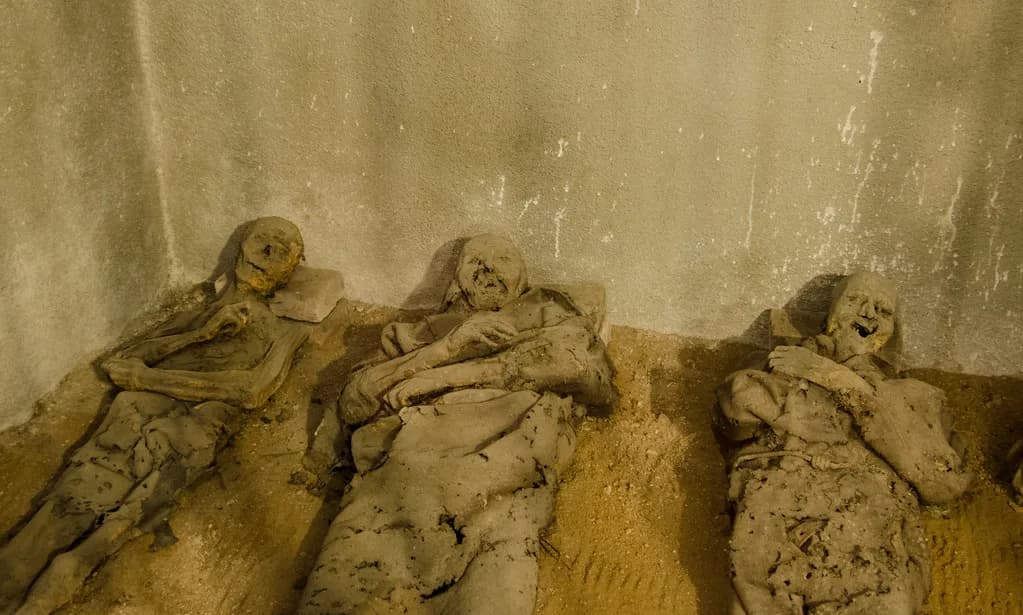
The crypt, called Kapucínská hrobka in Czech, lies directly under the Church of the Finding of the Holy Cross and belongs to the Capuchin monastery above it. The friars used it for burials from 1656 to 1784, interring members of the order and the benefactors who supported them. Because the monastery still functions, you are visiting a religious house's own burial place, not a detached exhibition hall.
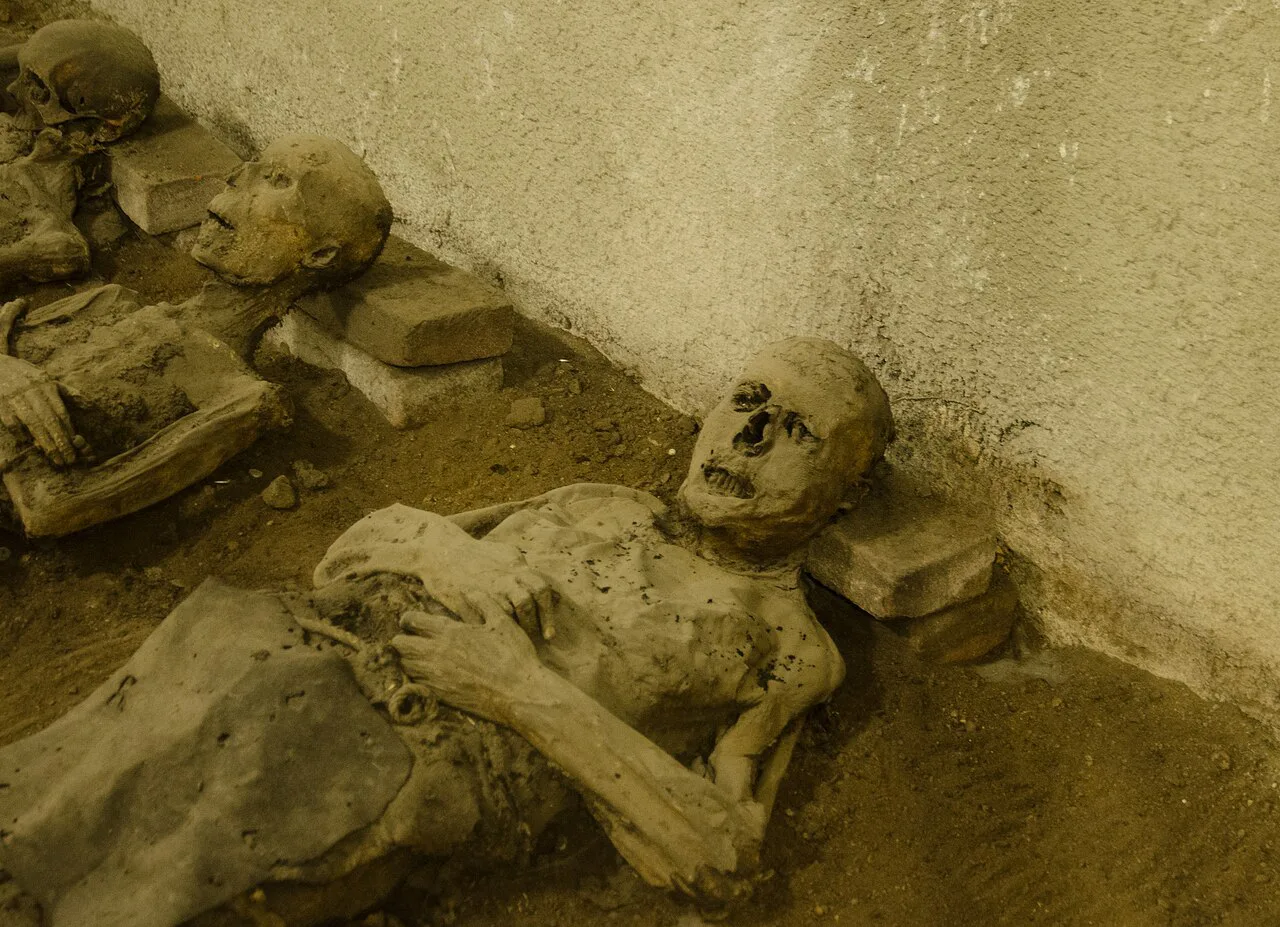
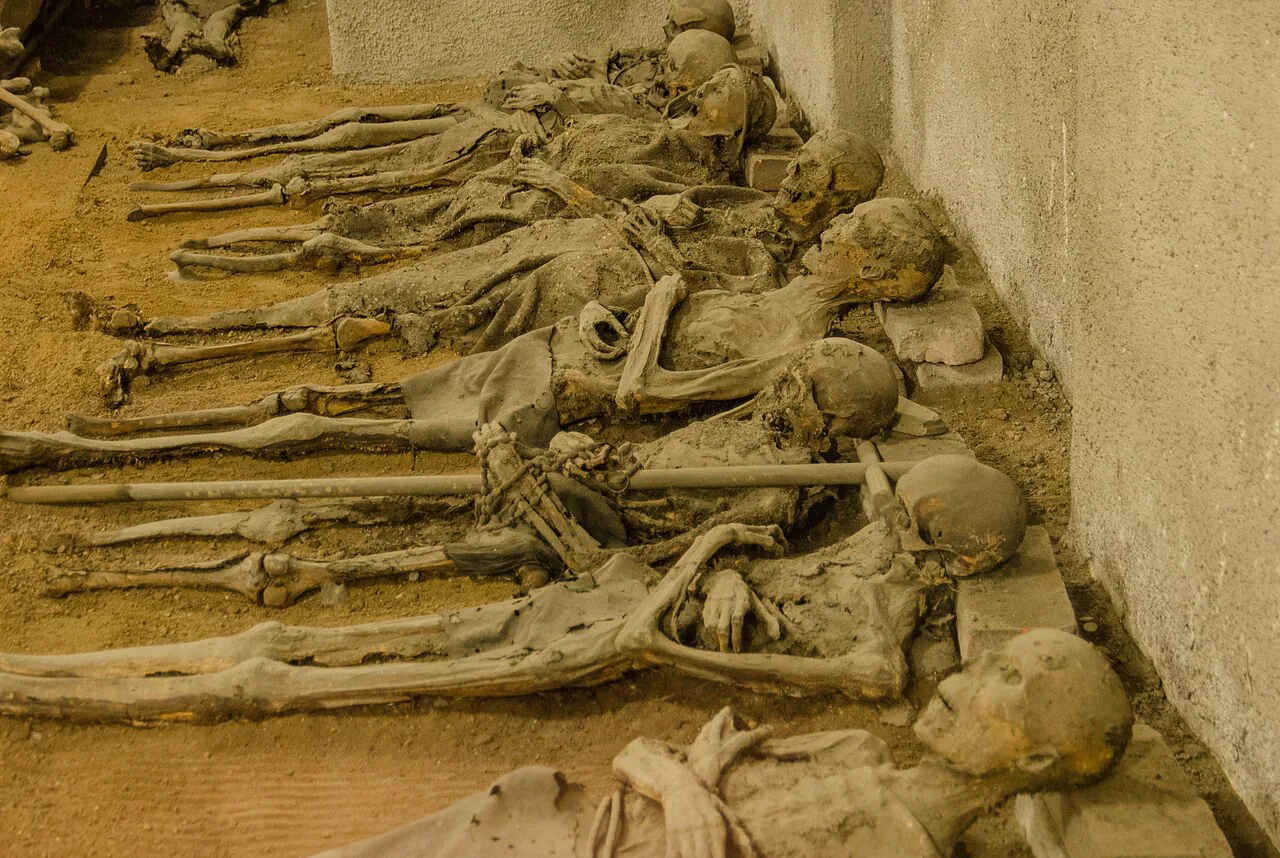
The defining feature is a ventilation system built into the crypt, which kept air moving through the space for centuries. That airflow dried the bodies naturally, so the dead were preserved without embalming. Knowing this changes how you read the room: the preservation is an accident of architecture and climate, not a deliberate embalming practice.

Where it is and how to get there
The crypt sits in the historic core of Brno, beneath the church and monastery of the Capuchin friars, within reach of the old center on foot. If you are already walking the center, treat the crypt as one stop on a loop rather than a separate trip. The wider Brno Attractions: 9 Visitor Guides page maps out the rest of the center so you can sequence the day.
The surrounding monastery complex is the landmark to aim for: find the Church of the Finding of the Holy Cross and the entrance follows. The crypt entrance photograph on Wikimedia Commons shows the doorway and setting at the monastery, which is useful for recognizing the spot when you arrive.


What you see inside
Inside, the crypt holds the naturally mummified remains of Capuchin friars and of the benefactors who funded and supported the order. The presentation is plain, in keeping with the austere Capuchin approach to burial, and the individual stories of the dead are part of what the monastery interprets. Look for the burial of František Trenck, the famous commander of the Pandurs, whose story is tied to the crypt.
The crypt has its own history as a place open to the public, not only as a burial site, so expect a compact space with a clear route through it. Read the panels and labels as you go; they carry the names and context that make the room more than a curiosity. Photography rules and any restrictions inside are set by the monastery, so follow the signage on site.
How long to allow and how it fits an afternoon
Budget under an hour for the crypt itself. It is a single compact space, so the visit is short and focused rather than a half-day sight. That makes it easy to slot between larger stops in central Brno without eating into your afternoon.
A natural pairing is Špilberk Castle in Brno, which sits on its own hill above the center and adds a very different layer of the city's history. Another strong companion is Villa Tugendhat Brno, the modernist house that requires its own timed visit and sits outside the immediate old-center walk.
If you are building a walking loop, the Brno ossuary at Kostnice u sv. Jakuba is another underground burial site in the center and makes a logical second stop. The Cathedral of St. Peter and Paul in Brno stands nearby on Petrov hill and pairs well with either one.
Tickets, opening times and booking
The monastery publishes its opening hours and admission on the crypt's own site, along with the current schedule for guided tours and special events. Check that page before you set out, since hours can differ from the impression left by older travel listings. The site also posts dated events, such as library tours and candlelit evening tours of the crypt around Dušičky, but these are specific scheduled dates rather than fixed annual fixtures.
Admission is charged, and the current price list is set by the monastery, so check the amount on the official page. If you want a broader guided walk of the old town that passes the crypt, note that those tours run about 1.5 to 2 hours over roughly 1.8 kilometers on flat or downhill ground. That is a separate product from entry to the crypt itself.
Should the crypt be on your Brno walk?
Yes, if you want one short, distinctive stop that explains how Brno buried its dead rather than simply showing bones. Give it under an hour, read the labels, and look for František Trenck's burial. Pair it with Špilberk Castle in Brno or the Cathedral of St. Peter and Paul in Brno to fill a central afternoon.
Confirm the current hours and admission on the crypt's official page before you go, then plan the rest of your Brno stops around it.
Explore more Brno guides
Frequently Asked Questions
Why is there a crocodile in Brno?
The crocodile is a separate Brno legend associated with the Old Town Hall, not with the Capuchin Crypt. If you are visiting the crypt, the story to look for inside is that of František Trenck, the Pandur commander buried there, rather than the crocodile.
Is the Capuchin Crypt worth visiting?
It is worth it if you want a short, unusual stop in central Brno that shows how a ventilation system produced natural mummification. The visit is compact and takes well under an hour, so it fits easily into a walking loop that includes Špilberk or the cathedral. Check the monastery's own page for current hours and admission before you go.