
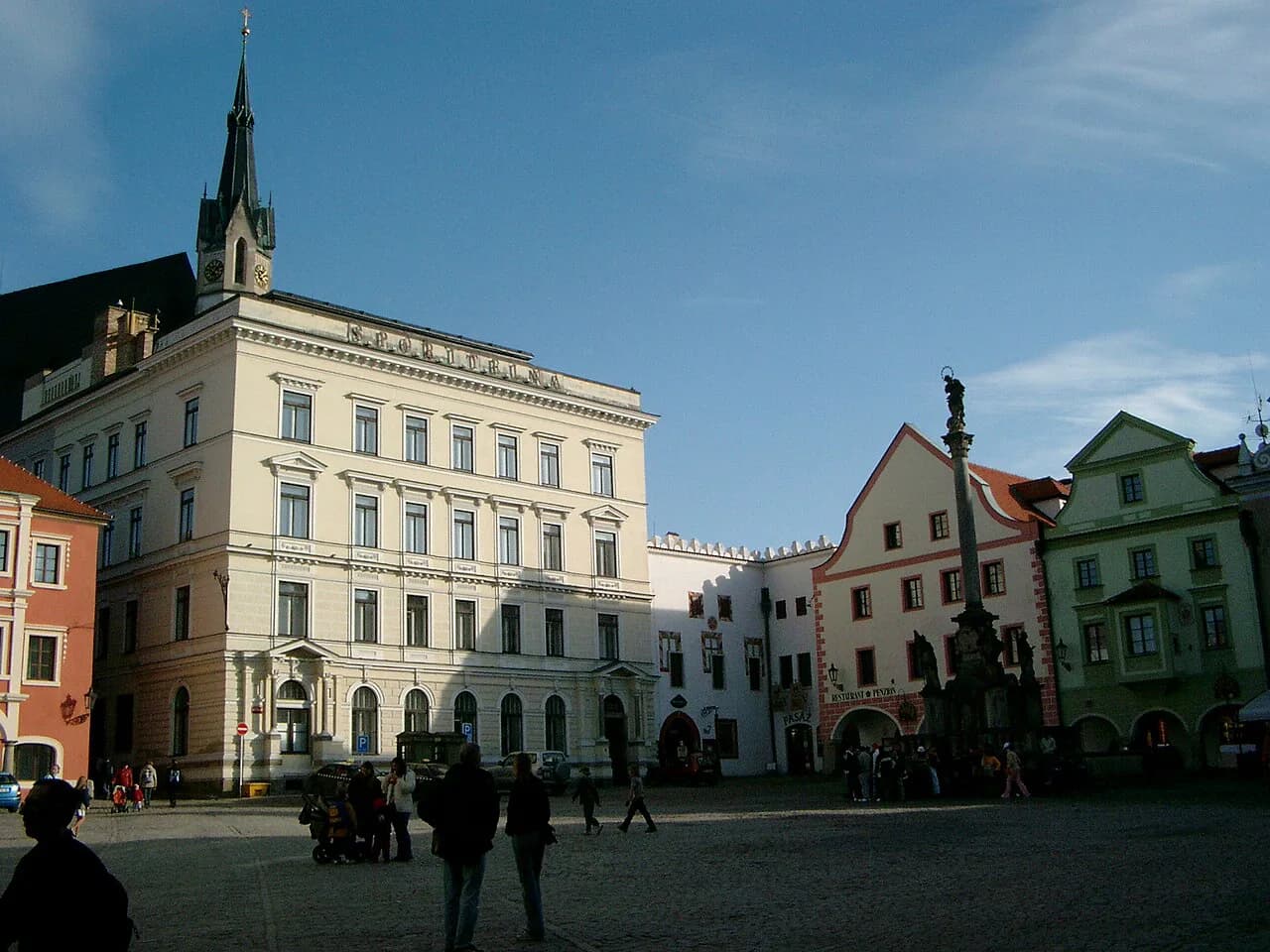
Náměstí Svornosti: The Old Town Square in Český Krumlov

Náměstí Svornosti is the old town square at the heart of Český Krumlov, and half an hour is enough to see what faces onto it. The plaza sits inside the town's UNESCO-listed historic center, which is protected for its intact Renaissance, Gothic and Baroque architecture. This guide covers where the square sits, how the old town wraps around it, what stands on it, and which nearby sights you can chain onto a visit.
The square at the center of the UNESCO-listed old town
The protected historic center is the reason the square looks the way it does: Český Krumlov preserves a small Central European medieval layout that later passed through Renaissance and Baroque remodeling. Roof shapes, facades and street lines still follow the old medieval pattern, so the square reads less as a grand set piece than as a working market place that grew in place. That intactness is what earned the designation.
Treat Náměstí Svornosti as the anchor of your walk rather than a sight in its own right. It has no ticket and no gate, and it is the point where the lanes of the old town meet, so most routes through town will cross it at some point. Start here, orient yourself against the castle tower above the rooftops, then choose a direction.
Where the square sits and how the old town wraps around it
The square sits inside the old town, and the River Vltava loops around the built-up center below it. Because the town is small, the square is a short walk from both the castle complex and the riverbank, which is why the same plaza keeps reappearing on any route through town. Streets leave it in several directions and lead quickly into narrower lanes lined with old houses.
That compactness is the practical point: you do not need transport to move between the square and the rest of the historic core. You do need comfortable shoes, because the streets and the square itself are paved in cobblestones. Travelers with strollers, wheelchairs or uncertain footing should expect uneven surfaces throughout the old town, not just in the square.
Walking in from the castle courtyards and the River Vltava
From the castle side, walk down through the castle complex and the courtyards toward the old town; the complex, courtyards and gardens can be walked without a ticket, which makes this approach easy to fold into a castle visit. The tower and the Castle Museum are the paid extras, so decide before you set off whether you are climbing or just passing through.
From the river, follow the Vltava bank and climb into the old town; the water is the easiest landmark to navigate by when the lanes start to bend. Rafting and kayaking run on the river in the summer months, and the banks get busier when the boats are out. Either approach puts you on the square in a few minutes.

What faces onto the square: the colorful facades
The buildings around Náměstí Svornosti are the attraction: old, colorful houses whose facades carry the Renaissance, Gothic and Baroque layers that define the town. Look at the rooflines and the way the houses meet the pavement, since the medieval plot layout survives beneath the later decoration. The square is a good place to slow down and read those surfaces rather than photograph them at a glance.
Because the square has no single monument to queue for, its value is cumulative: houses, lanes, rooftops and the castle tower on the skyline. Build in a few minutes to stand still and look up rather than treating the plaza as a corridor between the castle and the river.
The square as the town's meeting point
The plaza functions as the town's gathering point rather than a museum piece, which is why it fills with people at the hours when everyone passes through. That role shapes how you should time a visit more than any single facade does. Come early or late in the day and the same space feels like a town square; come at midday in high season and it feels like a thoroughfare.
How long to allow, and the midday trade-off
Budget about half an hour for the square itself, and add time for whatever you decide to do off it. In peak season it gets busy, while an autumn visit is notably quieter and the streets can be almost empty. The trade-off is simple: a midday stop in summer buys you the fullest light and the most services nearby but also the largest crowds, while an early or late visit trades some bustle for room to walk.
If your schedule is fixed to midday, keep the square short and push the longer stops to the museums and the castle, where the flow of visitors is easier to manage. If you have flexibility, use the square as the first stop in the morning and return through it in the evening, when the side streets are at their most atmospheric.
The side streets that leave the square
Every lane off the square leads somewhere useful within minutes, which is why it makes such a good starting point. Walk any of them slowly: the old town's character sits in the smaller streets as much as on the plaza, and they are where you notice the preserved facade details and roof shapes up close. After dark the side streets take on a different mood, especially when mist settles in the lanes.
Nearby stops within a few minutes
The castle complex is the biggest neighbor: walk up from the square into the courtyards, then choose between the paid tower and Castle Museum or the free walk through the grounds. Above and behind the castle, Zámecký park is a formal baroque garden with clipped hedges, fountains and benches, and it is a calm counterweight to the square.
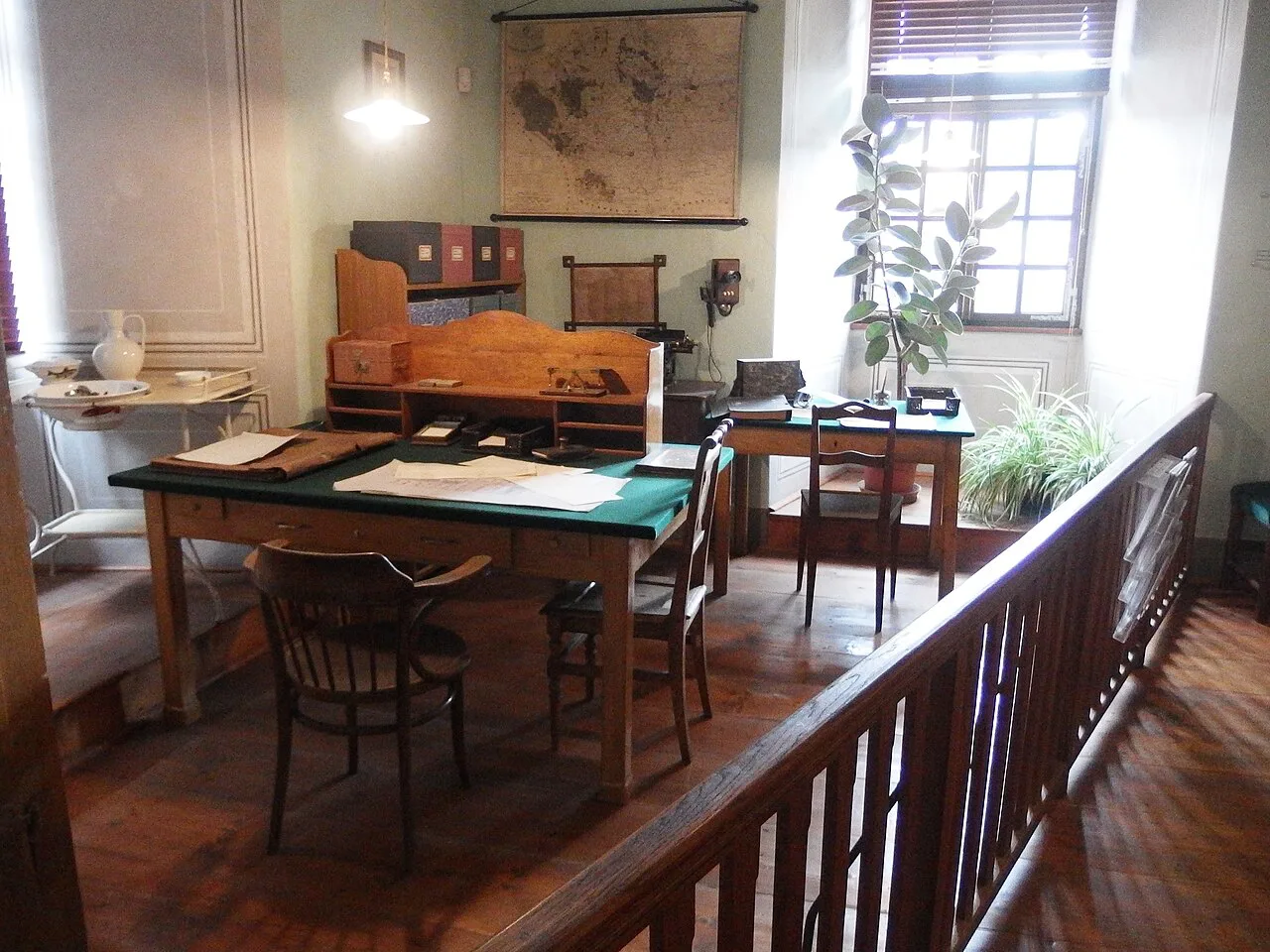
For town history, the regional museum covers the area from the Stone Age through to recent history, including exhibits on World War Two and communism. The Museum of Torture sits in a cellar and is often paired with the nearby wax museum on a joint ticket, which suits a rainy hour rather than a full afternoon. The Egon Schiele Art Centrum and Museum Fotoatelier Seidel are the other names worth checking before you go.
Churches are part of the same short walk: check the current visiting arrangements for the Church of St. Vitus locally, since the square's own sights are open public space but the interiors are not always.

Eating and shopping around the square
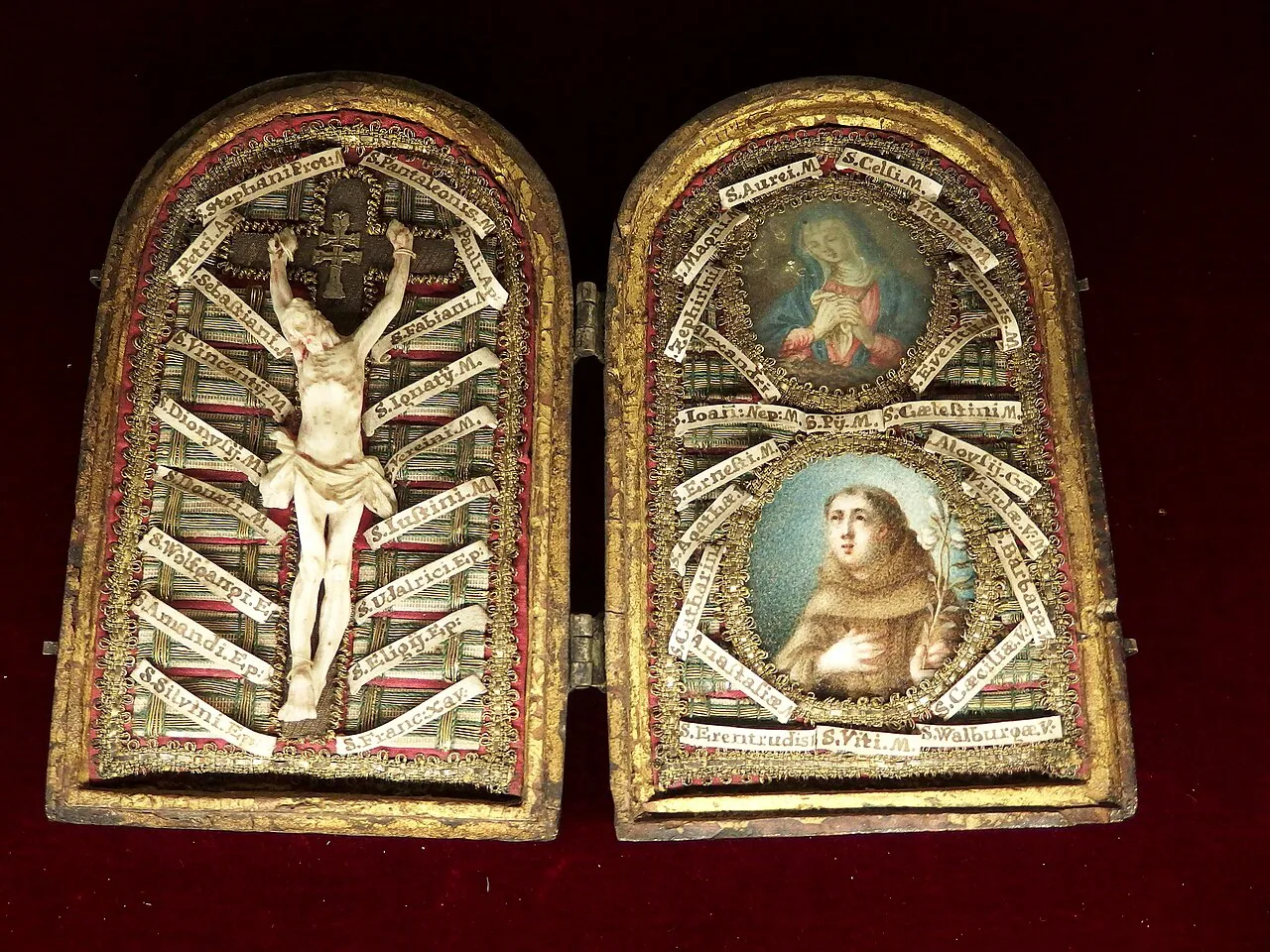
The lanes off the square hold the town's restaurants, small museums and shops, so the plaza doubles as the place to pick a table or browse between sights. Local beer is the easy order in this part of South Bohemia, and small shops here sell puppets and wine alongside the usual souvenirs. Look down the side streets rather than taking the first table you see on the plaza itself.
Practical notes: cobblestones and confirming details
The ground on and around the square is cobbled, and the hills leading to the castle and Stations of the Cross are steep, so plan footwear and pace accordingly. The square itself costs nothing and needs no booking; if you want a guide for the old town and castle grounds, book a walking tour in advance rather than relying on finding one on the day.
Ticket prices, opening hours and tour times change by season, so confirm them with the castle and each museum when you arrive or before you travel. If your main reason for coming is the tower view, check that first and build the square around it.
Make the square your first stop, not your last
Náměstí Svornosti works best as the point where you start and end a day in Český Krumlov: come early, orient yourself, then branch out to the castle, the river and the museums. When you return in the evening, the square and its lanes will look different again, which is the argument for keeping it on your route rather than treating it as a single photo stop.
Explore more Český Krumlov guides
Frequently Asked Questions
Is Náměstí Svornosti free to visit?
Yes. The square is open public space with no ticket or gate, and the lanes around it are freely walkable. Paid entry applies to the sights nearby, such as the castle tower and Castle Museum, so budget for those separately and confirm current prices on site.
How do I get to the square from the castle?
Walk down through the castle complex and courtyards into the old town; the complex, courtyards and gardens can be walked without a ticket. The square is a few minutes on foot from there, and the castle tower on the skyline keeps you oriented along the way.
When is the quietest time to see the square?
Early morning or evening is calmer than midday in peak season, when the plaza fills with visitors passing through. Autumn is noticeably quieter than summer, so if your dates are flexible, a shoulder-season visit gives you more room on the square and in the side streets.
What else is within a few minutes of the square?
The castle complex and Zámecký park, the regional museum, the Museum of Torture, the Egon Schiele Art Centrum and the Church of St. Vitus are all short walks away through the old town lanes. Check each venue's opening days before you set out.